5 Signs Your Cat Is Stressed — Know Them and Act Early!
Cats may appear calm and independent, but they’re incredibly sensitive creatures. Even the smallest changes in their environment, diet, or daily routine can cause anxiety or stress. Unlike dogs, cats don’t always show their emotions openly — they communicate through subtle changes in behavior and body language.
As a pet parent, recognizing these early signs of stress can make all the difference in keeping your furry friend happy and healthy. And when in doubt, an online vet consultation can help you get expert advice instantly — without the stress of taking your cat to the clinic.
Let’s look at the top 5 signs your cat might be stressed and what you can do to help.
Try to maintain a consistent feeding and cleaning routine. If these issues persist, consult a vet online. Stress-related urinary tract infections (UTIs) are common and need immediate attention.
💡 Tip
Changes in Eating or Litter Box Habits
The first and most noticeable sign of stress in cats is a sudden change in their daily habits. If your cat stops eating, starts overeating, or refuses to drink water, something’s off.
Stress can also affect litter box behavior — your cat may start avoiding it, urinate outside the box, or show signs of constipation or diarrhea. These changes could stem from:
A new pet or person at home
Change in litter type or box location
Anxiety from loud noises or environmental shifts
Excessive Grooming or Hair Loss
Cats love grooming — but too much of it can signal a problem. If your cat starts licking the same spot repeatedly or develops bald patches, it could be a coping mechanism for anxiety.
Common causes include boredom, lack of stimulation, or separation anxiety. Over time, this behavior can lead to skin irritation and infections.
An online vet consultation can help identify whether the cause is medical (like allergies or parasites) or behavioral, so you can take the right steps early.
Aggression or Withdrawal
A happy cat is playful and affectionate. But if your cat suddenly starts hiding, hissing, or scratching for no reason, stress could be the trigger.
Aggression may arise when your cat feels threatened — maybe due to a new environment, visitors, or another animal. On the other hand, withdrawal or hiding all day can indicate fear or depression.
🐾 Action tip:
Give your cat a quiet, safe space to retreat to.
Avoid forcing interaction.
Try calming sprays or pheromone diffusers recommended through online vet advice.
If aggressive behavior continues, a video vet consultation can help assess triggers and suggest personalized calming techniques.
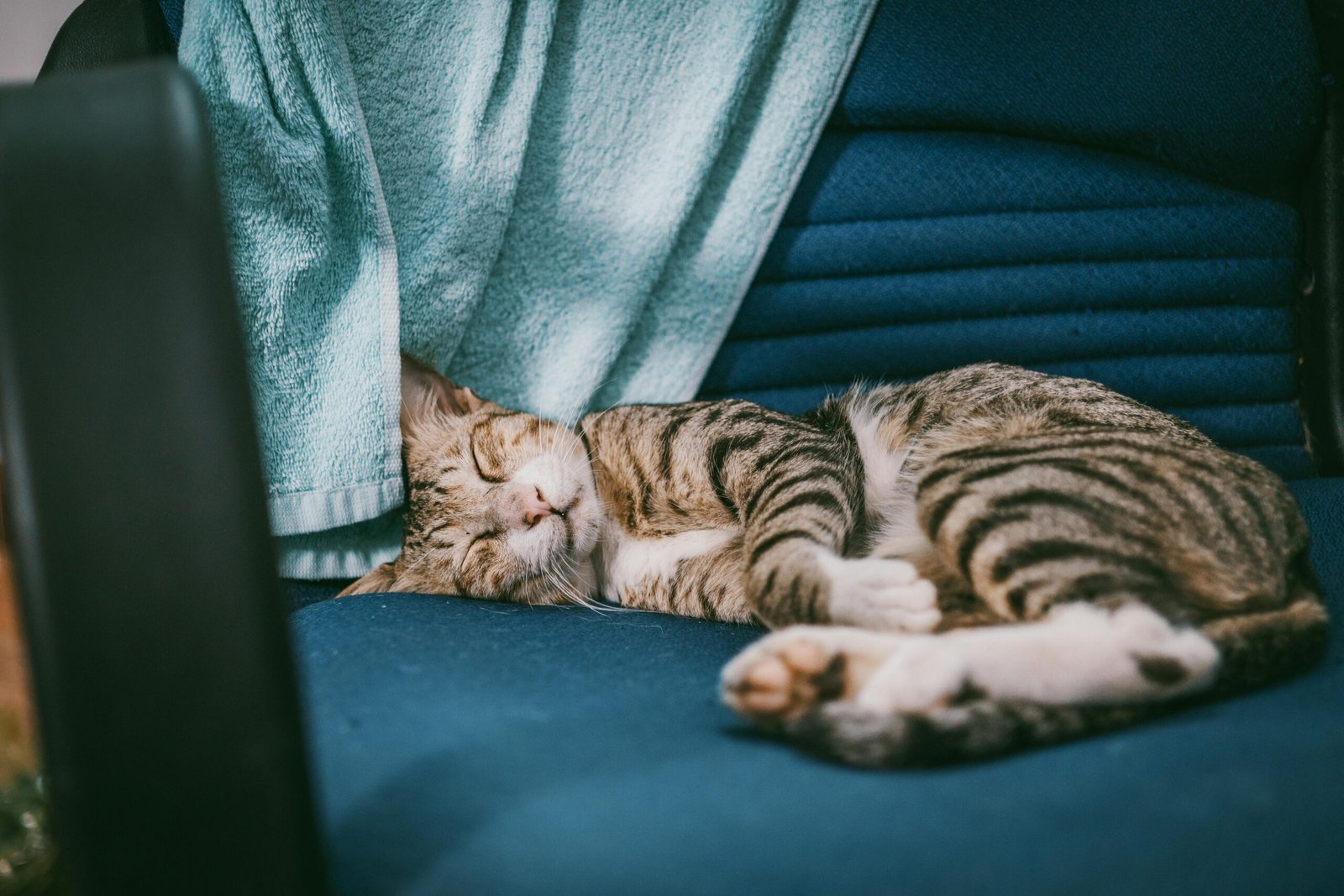
Changes in Sleeping Patterns
Cats sleep for long hours, but if you notice unusual sleep behavior — like sleeping far more or less than normal — it’s time to pay attention.
Stress and anxiety can disrupt a cat’s sleep cycle. They may start staying awake at night, meowing excessively, or sleeping in hidden corners instead of their usual cozy spots.
Tracking these habits and sharing them during an online vet consultation can help your vet identify whether stress, pain, or an underlying illness is causing the behavior.
Unusual Vocalization or Restlessness
When cats are stressed, they may become more vocal — meowing, yowling, or crying without any obvious reason. Some may even start pacing around the house or become restless.
Common causes include loneliness, changes in routine, or separation anxiety when their favorite human leaves for work or travel.
To comfort your cat:
Maintain familiar scents and sounds at home.
Avoid sudden changes in feeding or sleeping areas.
Provide toys and playtime for mental stimulation.
If the restlessness continues, don’t ignore it. An online vet consultation can help you determine if it’s stress-related or a sign of pain or illness.
How Online Vet Consultation Helps
Understanding feline stress can be tricky — cats can’t tell us what’s wrong, and their signals are often subtle. That’s where online vet consultations come in handy.
With platforms like Chotaboss, you can:
Connect instantly with licensed veterinarians from home.
Share photos or videos of your cat’s behavior for better diagnosis.
Get tailored guidance on diet, environment, and calming techniques.
Avoid unnecessary travel stress, especially for anxious cats.
Sometimes, early online vet advice can prevent a minor stress issue from turning into a serious medical or behavioral problem.
❤️ Final Thoughts
Cats may seem mysterious, but they communicate volumes through their actions. Subtle changes — skipping meals, over-grooming, or hiding — are their way of saying something’s not right.
By staying observant and proactive, you can protect your cat from the harmful effects of chronic stress. And when you’re unsure, don’t wait — consult a vet online at Chotaboss. Our trusted veterinarians are here to guide you with compassionate, expert care — so your feline friend can stay calm, happy, and healthy every day.






 Graceful goldfish, to small, cute kittens